
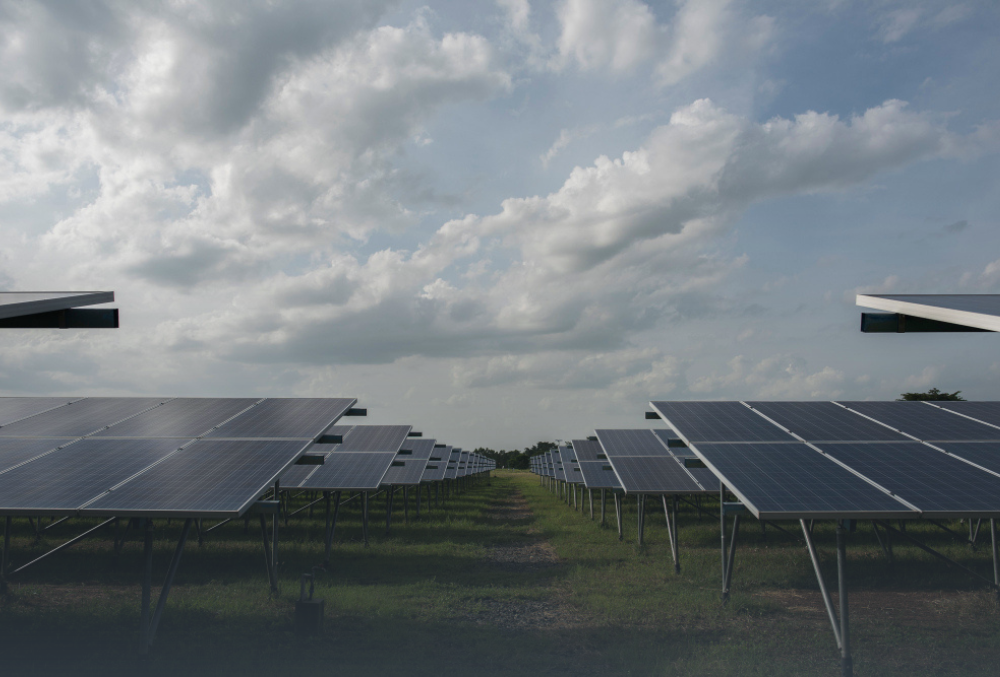

In June 2026, solar power in Europe reached a historic milestone. For the first time, solar energy accounted for 25 percent of all electricity generated within the European Union. This made the sun the largest source of electricity for the month, ahead of nuclear energy, gas, and wind.
The figures show that the energy transition is accelerating. At the same time, the importance of a reliable and secure energy infrastructure is growing. Because the greater the role of solar energy becomes, the more important it is to properly protect solar farms and other energy assets.
From research by the energy think tank Ember appears that solar panels in June 2026 jointly 52 terawatt hours to produce electricity. That is a new record and more than enough to cover a quarter of the total European electricity demand. The previous record stood at 47 terawatt-hours and was set just a month earlier, in May, of all months.
The combination of two factors made this possible: an exceptionally sunny June and the enormous number of solar panels installed in Europe in recent years. Also NU.nl reported on this milestone Based on the Ember research.
Perhaps even more striking than the percentage itself: solar energy was the EU's largest individual electricity source in June.
The European electricity mix in June 2026 looked like this:
It is only the third time that solar energy has been Europe's largest source of power. While this was an exception a few years ago, it now seems to be a recurring pattern during the summer months.
How quickly this shift has occurred is evident from a simple comparison. In June 2021, solar power accounted for just 10 percent of all electricity in Europe. Five years later, this share has therefore more than doubled.
According to Ember, solar energy production in Europe is growing by more than 20 percent annually. This development is mainly driven by the rapid expansion of solar panels on homes, commercial properties, and large-scale solar farms.
Ember researcher Chris Rosslowe calls the growth frankly phenomenal. According to him, solar energy has in a short period of time transformed from a minor player into an indispensable part of the European electricity grid, driven by governments and citizens looking for affordable, locally generated energy that can be realised quickly.
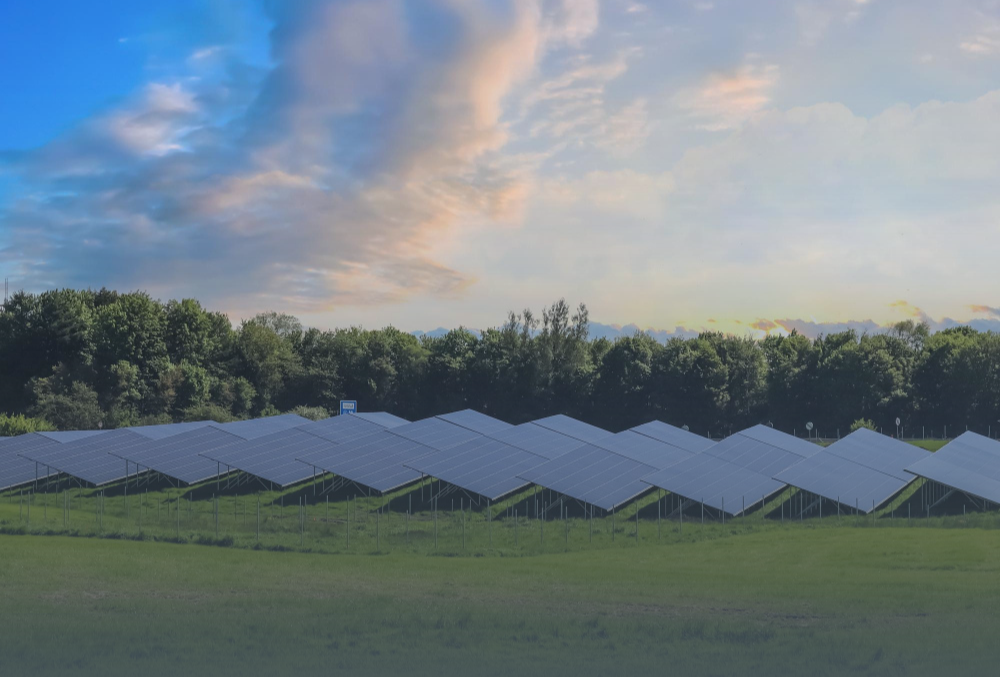
Although growth is visible across Europe, there are countries that stand out above the European average.
In Spain, already in June, more than a third of all electricity came from solar energy. The Netherlands also belongs to the frontrunners. Here, solar energy was responsible for 34.1 per cent of total electricity production.
These figures highlight how important solar farms and solar roofs have now become for the European energy supply.
For Dutch households and businesses, this record confirms what many solar panel owners are already noticing: solar power is no longer a supplement, but a serious pillar of our electricity supply. At the same time, this growth brings new challenges, such as grid congestion, smart storage, and making optimal use of your own generation.
The growth of solar energy in Europe means more than just a sustainable energy supply. Solar farms have become an important part of European infrastructure. Downtime due to theft, sabotage or unauthorised access is therefore having ever-greater consequences.
As solar farms generate more electricity, the importance of professional security also increases. Protecting these sites isn't just about preventing damage or theft, but also about Ensuring the continuity of energy supply.
This is precisely why an increasing number of solar farm owners and operators are opting for a proactive security approach. With smart detection, real-time verification, and immediate follow-up, Soldefence helps to identify risks early and prevent incidents, ensuring that assets remain protected and energy production can continue uninterrupted.
In June 2026, solar power in Europe accounted for 25 percent of all electricity within the European Union. This made solar power Europe's largest source of electricity for the first time.
The growth is due to the rapid expansion of solar panels on homes, commercial properties, and solar parks. In addition, solar panels are becoming increasingly efficient and more European countries are investing in sustainable energy.
According to Ember, the huge growth of solar panels and the exceptionally sunny and warm month of June led to record production. The high temperatures increased the demand for electricity for cooling, while wind energy produced less due to calm conditions.

© Soldefence 2025 | Online realisation: 050 Marketing
 Nederlands Nederlands
  English (UK)
 Deutsch
 Polski
 Español