
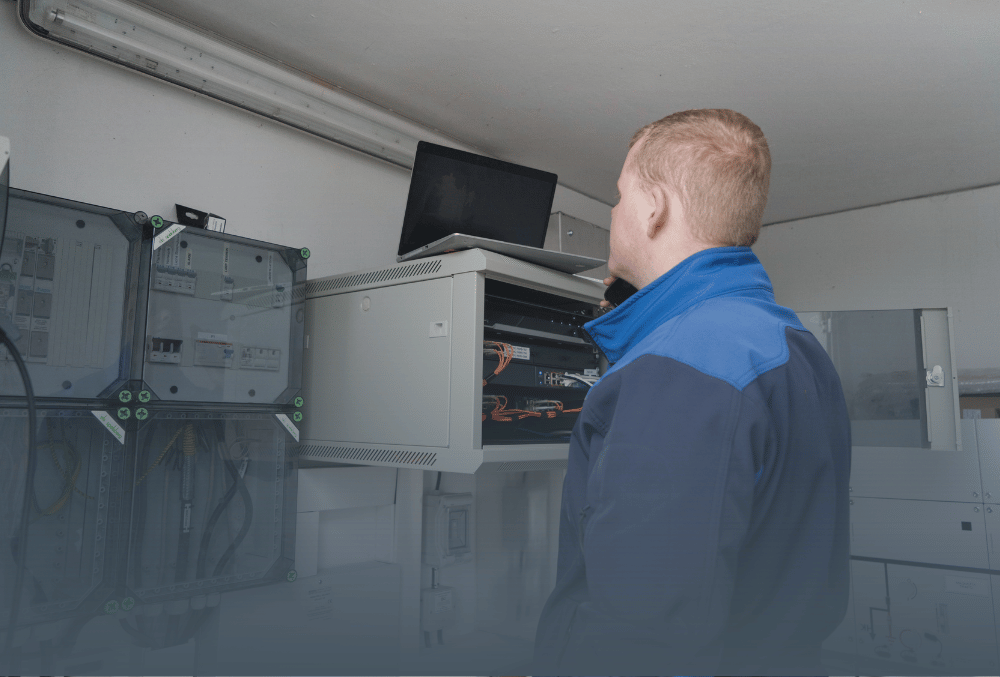

Having security personnel on site feels reassuring. There is always someone present to monitor the area and take action when needed. However, this approach is no longer always the most effective. The way large sites, solar parks, construction sites and other vulnerable locations are secured today has changed significantly compared to ten years ago.
Where security used to focus mainly on physical presence, site security is now increasingly shifting towards smart, proactive technology.
Security personnel have long been the foundation of site security, and for good reason. The presence of a guard provides visible control. Someone is there to patrol, assess situations and intervene when necessary. Especially on locations where supervision is critical, this creates a sense of safety and trust.
In addition, the technology was simply less developed in the past. Years ago, security consisted of camera footage that was viewed live in a control roomIn addition, technology was far less advanced in the past. Around 10 to 15 years ago, security often consisted of camera footage that was monitored live in a control room. There were no intelligent systems capable of independently detecting unusual situations. At that time, security personnel were essential to maintain oversight.
Even today, in 2026, security personnel remain important. When an incident occurs and immediate action is required, human involvement is crucial. The difference lies in how that role is defined.
While security personnel offer clear advantages, there are also limitations. Especially on large and complex sites, like solar farms, it becomes difficult to maintain full oversight at all times.
A guard can only be present in one location at any given moment. While one situation is being checked, something else may happen elsewhere on the site without being noticed. In practice, intruders may even exploit this by creating distractions in one area while acting elsewhere.
The effectiveness of security personnel depends on factors such as concentration, experience and interpretation. This makes outcomes less predictable compared to systems that monitor continuously and consistently.
Security personnel involve ongoing costs, including hourly rates, night and weekend shifts, and additional capacity during higher-risk periods. On larger sites, these costs can add up significantly.
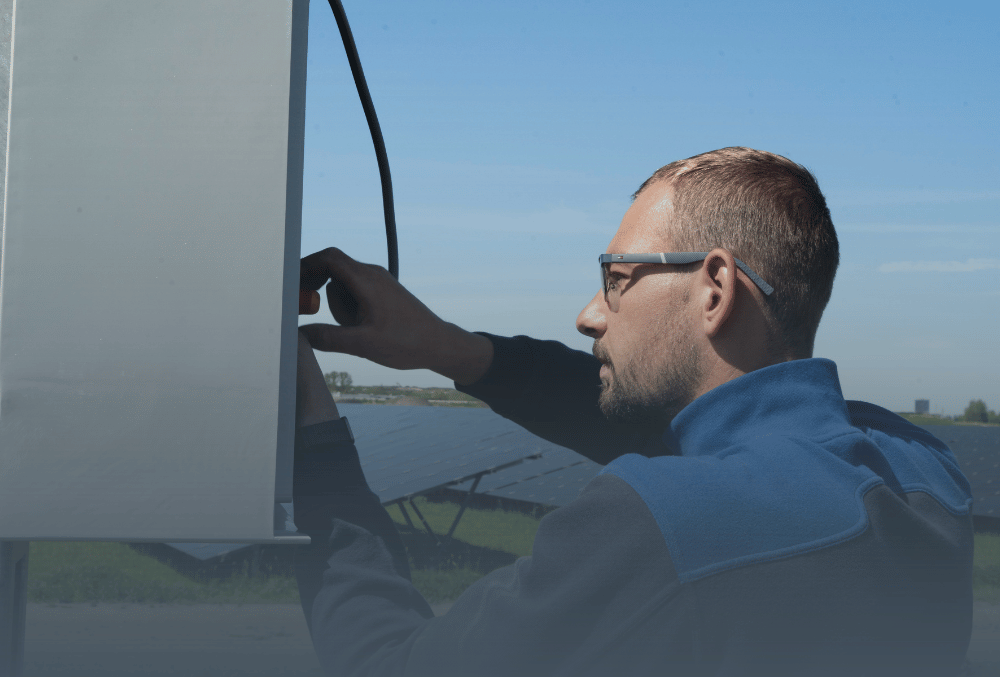
The way sites are secured has changed rapidly in recent years. Locations are becoming larger, risks are increasing, and intruders are becoming more sophisticated. Where security used to focus on monitoring and responding, the focus has now shifted towards preventing incidents.
Technology plays a major role in this shift. Smart systems monitor continuously, recognize unusual behaviour and immediately trigger alerts. This provides greater visibility and enables faster response.
We are seeing a clear shift from reactive to proactive security. Technology and intelligent detection are at the core of this approach. Proactive security means not only responding to incidents, but identifying unusual behaviour at an early stage.
This is how it works in practice:
Proactive security may sound technical, but the benefits are very practical.
The entire site is monitored continuously. The system is designed to eliminate blind spots and reduce the risk of missed incidents.
It is not just about reacting faster, but about detecting earlier. Unusual behaviour is recognized immediately, allowing action to be taken before a situation escalates.
The site is monitored 24/7 without relying entirely on physical presence. Security personnel remain important, but are deployed more efficiently when action is required. This also helps reduce costs.
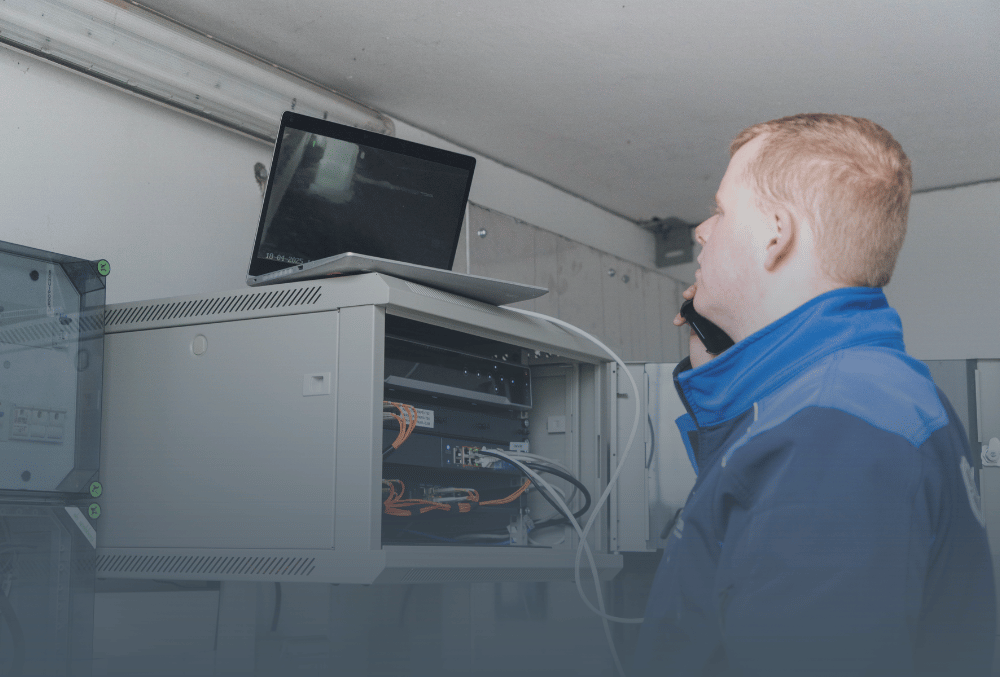
Security personnel remain an important part of any effective security strategy. However, their role is evolving.
Follow-up remains human work. When an anomaly is detected, the footage is immediately reviewed by the control room.
When an incident occurs, security personnel are essential. They verify the situation, engage with individuals on site and ensure the situation is handled safely.
At Soldefence, site security is about staying ahead rather than reacting afterwards. Our approach is built around proactive security, where technology and human response work together.
Our smart cameras and AI technology continuously monitor the site and immediately detect unusual situations. When something suspicious occurs, footage is instantly sent to the control room, where specialists assess the situation and take action.
When intervention is required, security personnel are deployed in a targeted way. Not for continuous patrols, but for fast and effective response when it truly matters.
Security personnel remain valuable. However, on large and complex sites, it is not always possible to have someone present everywhere at all times. By combining smart technology for monitoring and detection with targeted human response, the most effective approach is achieved.
Do you have questions about site security or would you like to know how this approach works for your situation? We are happy to help you find the right solution for your site and risk profile.
The cost of hiring security personnel depends on factors such as location, risk level and type of deployment. For larger sites, it can quickly become a structural and costly solution.
AI-based security systems continuously analyse camera footage. When unusual activity is detected, an alert is immediately sent to the control room, where specialists assess the situation and take action if necessary.
Security personnel remain important, but not always as the primary layer of security. Modern site security relies on smart systems for monitoring, while personnel are deployed for control and incident response.
© Soldefence 2025 | Online realisation: 050 Marketing
 NL NL
NL NL  EN
EN
 DE
DE